
What Moving to Tahoe Really Costs
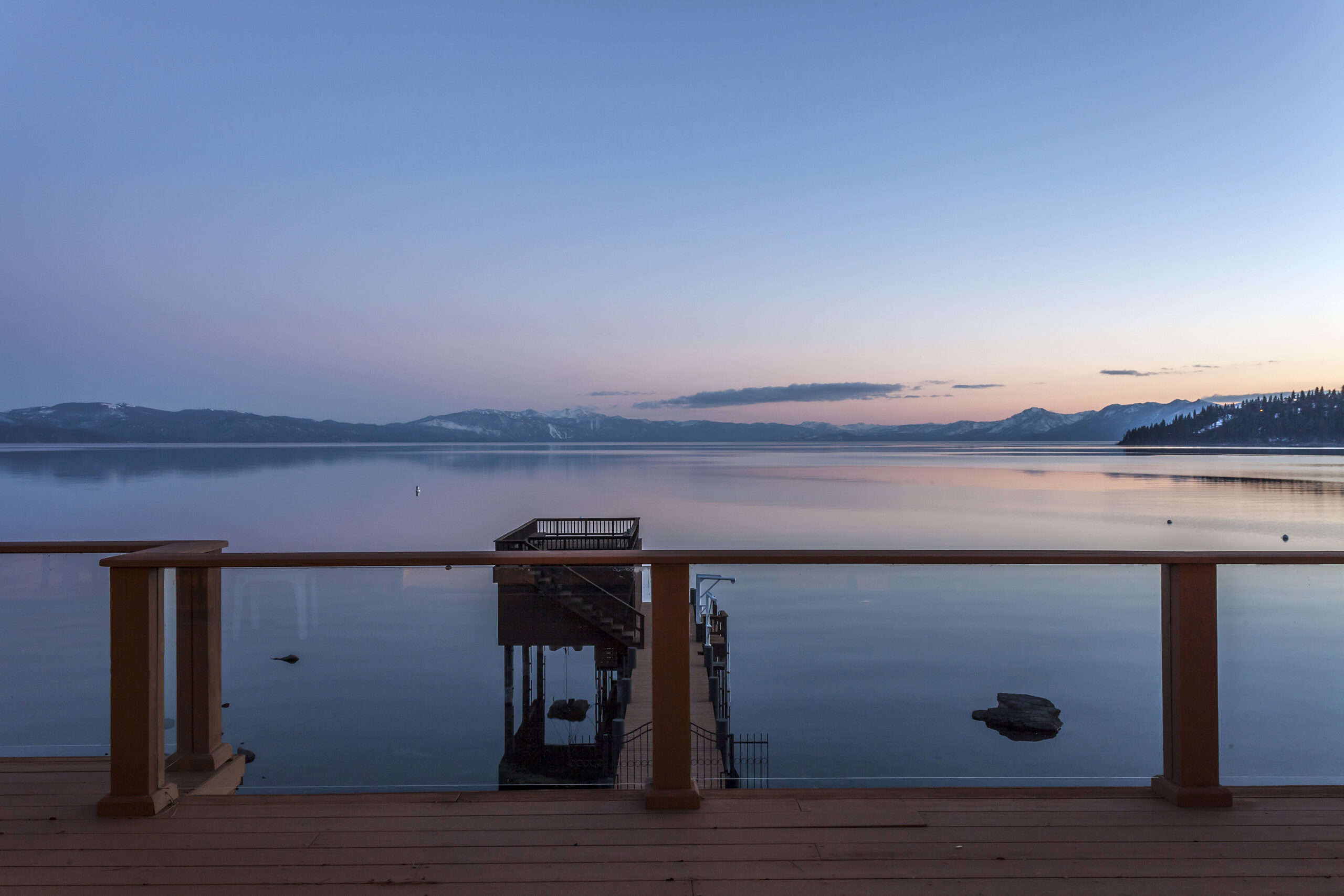
The Tahoe lifestyle is undeniably appealing—lake views, mountain trails, four-season recreation, and a slower pace of life. But before making your next move, it’s important to understand the full picture of what Tahoe homeownership truly costs. Beyond the purchase price, here’s what buyers should plan for when budgeting for life in the mountains.
Utilities & Seasonal Energy Use
Tahoe homes experience more dramatic seasonal swings than many other markets.
What to expect:
-
Higher heating costs during winter months
-
Variable utility bills depending on elevation, insulation, and home size
-
Backup power solutions or generators for certain areas
Energy-efficient upgrades, newer windows, and proper insulation can make a noticeable difference in long-term costs.
Snow Removal & Winter Access
Winter is part of Tahoe’s charm—but it also requires planning.
Typical snow-related expenses include:
-
Driveway and roof snow removal
-
Private road plowing or shared services
-
Ice management and winter safety measures
For second-home owners, reliable snow removal is essential to protect both your property and accessibility.
HOA Fees & Community Amenities
Many Tahoe condos, townhomes, and planned communities include HOA fees.
These often cover:
-
Exterior maintenance
-
Snow removal
-
Landscaping
-
Amenities such as pools, gyms, or private beach access
While HOAs add a monthly cost, they can significantly reduce hands-on maintenance—especially appealing for part-time residents.
Insurance in a Mountain Environment
Insurance costs in Tahoe can differ from urban or suburban markets.
Considerations may include:
-
Snow load and weather-related coverage
-
Fire insurance depending on location
-
Additional policies for second homes or rentals
Working with professionals familiar with mountain properties can help you secure appropriate coverage without surprises.
Maintenance & Ongoing Care
Tahoe homes require consistent upkeep due to weather and seasonal shifts.
Common maintenance items:
-
Roof inspections and repairs
-
Deck and exterior sealing
-
Gutter and drainage care
-
Annual inspections for heating systems
Planning ahead for these costs helps protect your investment and preserves long-term value.
Rental Rules & Usage Considerations
If you’re considering rental income, understanding local regulations is essential.
Important factors:
-
Short-term rental rules vary by area
-
Permit requirements and occupancy limits
-
Long-term rental opportunities in certain communities
Even if renting isn’t your immediate goal, knowing the options adds flexibility for the future.
The Big Picture: Value Beyond the Numbers
While Tahoe homeownership includes unique costs, many buyers find the lifestyle return well worth the investment. Ownership often replaces recurring vacation expenses with long-term equity, consistent access to the mountains, and a home that supports the life you want to live.
Quick Cost Checklist
-
Utilities and seasonal energy use
-
Snow removal and winter services
-
HOA fees (if applicable)
-
Insurance tailored to mountain living
-
Ongoing maintenance and upkeep
-
Rental compliance and flexibility
Thinking about your next move? Let’s break down what Tahoe ownership would look like for you. Connect with Amie Quirarte and The Q Group for a customized ownership estimate and guidance tailored to your lifestyle, goals, and preferred neighborhoods.
— Amie with The Q Group
📞 Mobile 650.290.3008
📧 Email me at amie@realestatenorthtahoe.com
🌐 Visit Amie Quirarte with The Q Group to learn more