Wellness Beyond the Property Lines
Wellness has become one of the most influential forces shaping luxury real estate today. Buyers are increasingly seeking homes and communities that support physical health, mental well-being, and a balanced lifestyle.
Community: Connection Beyond the Front Door
While wellness often begins at home, it extends far beyond property lines.
One of the most unique aspects of living in Tahoe is the strong sense of community. Residents are connected not only through outdoor recreation but also through the events and traditions that bring people together throughout the year.
For example, local farmers markets provide opportunities to support regional growers while enjoying fresh, seasonal ingredients. Likewise, outdoor concerts, art festivals, and community gatherings create meaningful opportunities to connect with neighbors and friends.
Perhaps one of the region’s most cherished traditions is the annual Lake Tahoe Shakespeare Festival. Set against the stunning backdrop of the lake, these outdoor performances combine culture, community, and natural beauty in a way that feels uniquely Tahoe.
Nature as an Everyday Amenity
One of Tahoe’s greatest advantages is that wellness begins the moment you step outside.
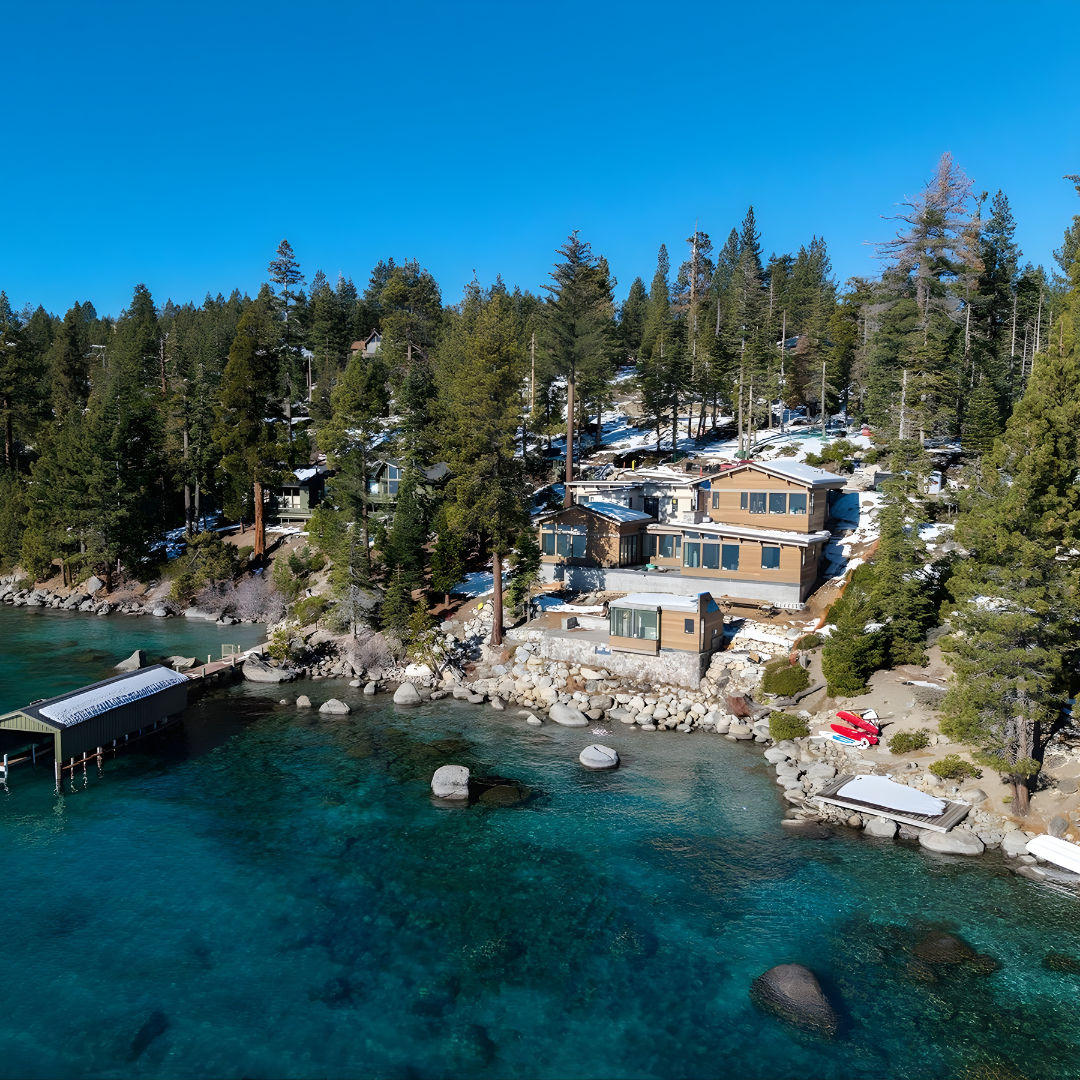
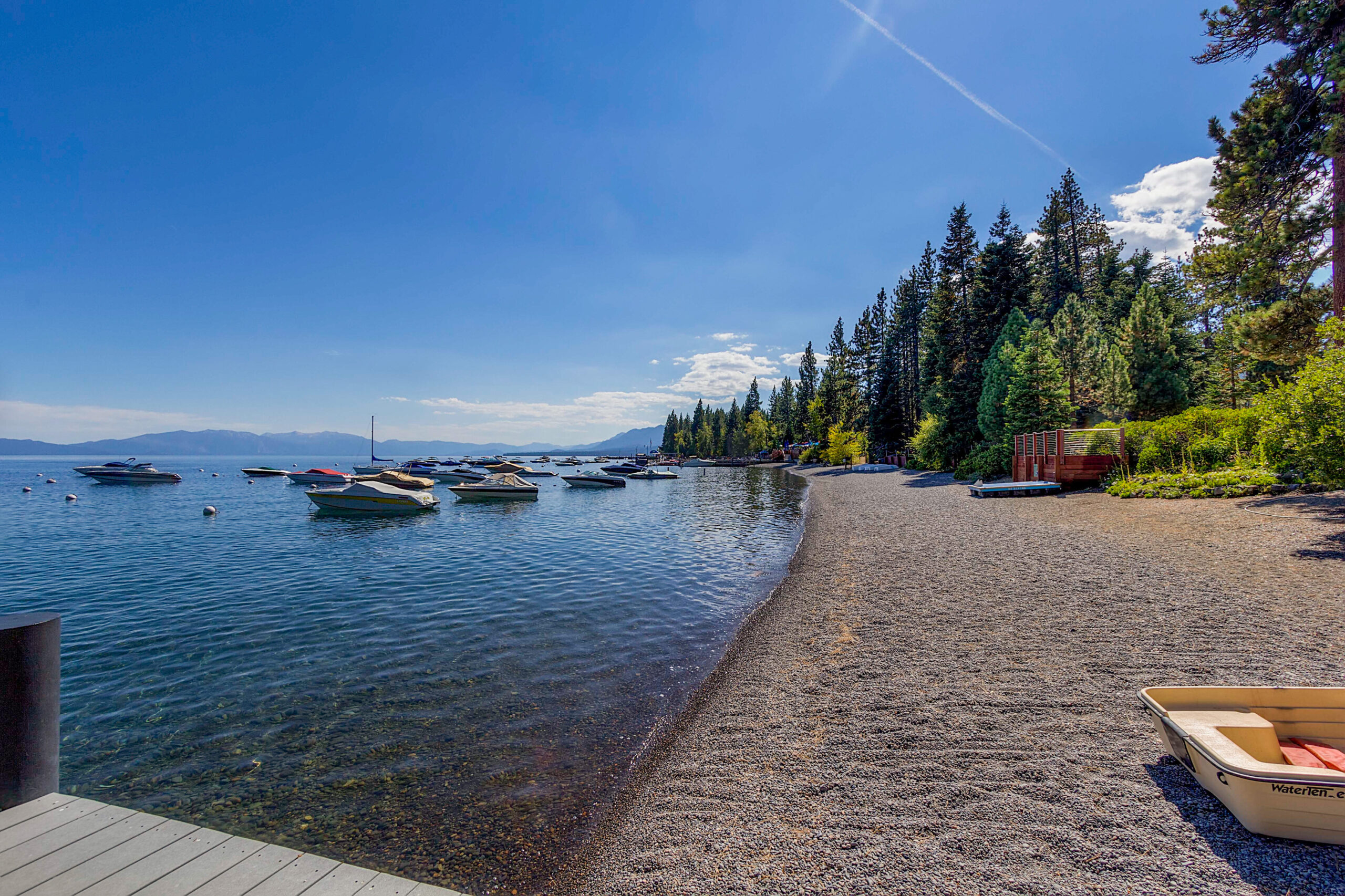
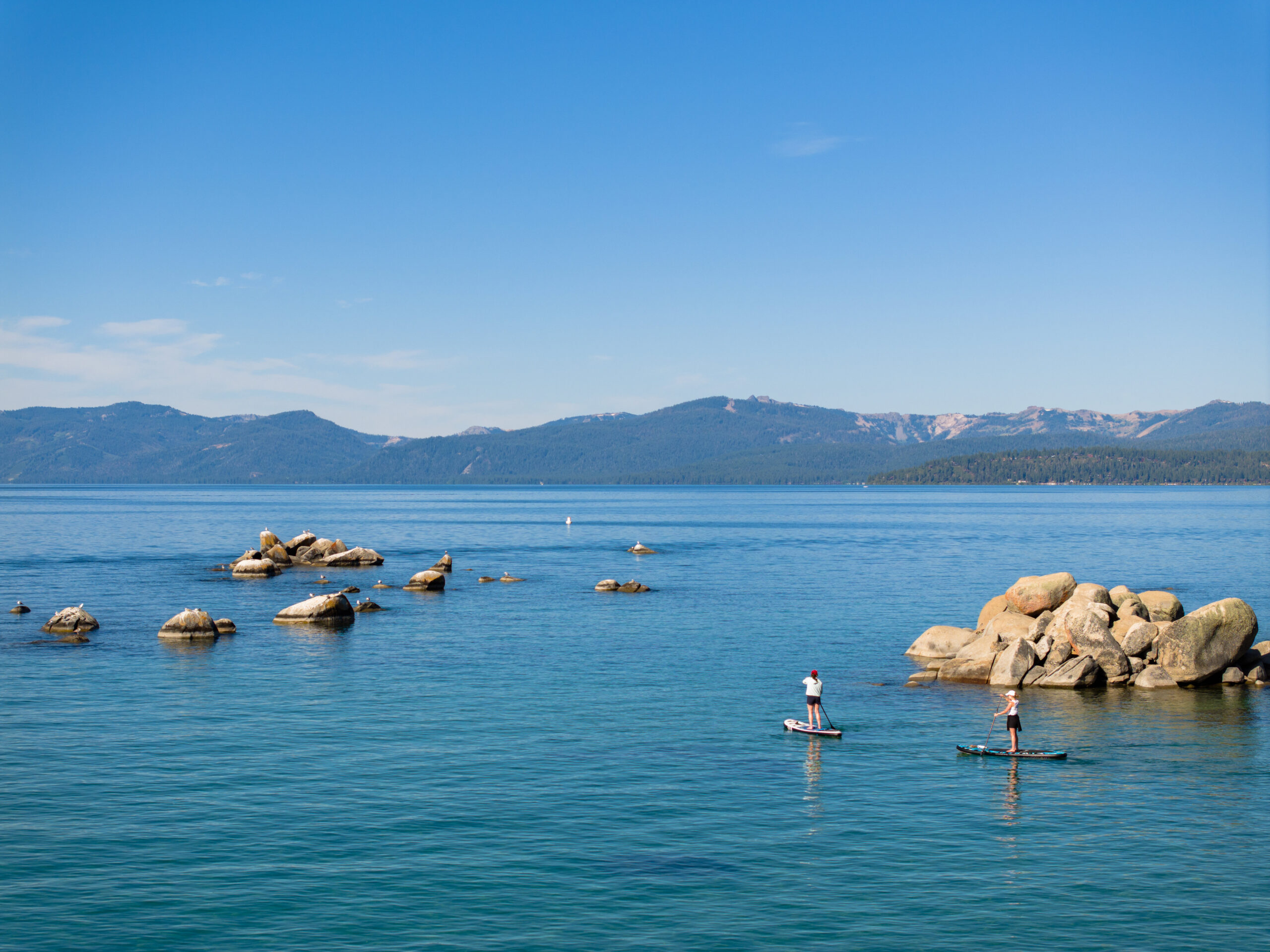
Whether it’s hiking through pine forests, cycling scenic mountain roads, paddleboarding on the lake, or skiing world-class terrain, outdoor recreation is woven into daily life. As a result, residents enjoy year-round opportunities to stay active while connecting with nature.
Unlike many luxury destinations where wellness is created through amenities, Tahoe offers something even more valuable: direct access to the natural environment itself.
The Benefits of Living with the Seasons
Another aspect of Tahoe wellness living is the opportunity to experience all four seasons.
Spring brings longer days and renewed trail access. Summer encourages time on the water and evenings spent outdoors. Fall offers crisp air and vibrant color, while winter transforms the region into a world-class destination for skiing and snow sports. These seasonal transitions encourage residents to stay engaged with the outdoors throughout the year. Rather than following the same routine every day, life in Tahoe naturally evolves with the seasons.
Final Thoughts
Many homeowners discover that one of Tahoe’s greatest luxuries isn’t found within the walls of a home. Instead, it’s the opportunity to live in a place where nature, culture, and community naturally come together to enrich everyday life.
If you’re considering buying, selling, or investing in Tahoe, understanding the lifestyle behind the real estate is just as important as understanding the market itself.
I’d be happy to share insights on Tahoe’s neighborhoods, community amenities, and the unique qualities that make each area feel like home. Whether you’re looking for a vibrant social scene, easy access to outdoor recreation, or a peaceful retreat surrounded by nature, I can help you find a property that aligns with the way you want to live.
Let’s connect and explore what wellness living in Tahoe could look like for you.
Mobile 650.290.3008
Email me at amie@realestatenorthtahoe.com
Visit Amie Quirarte with The Q Group to learn more